Dr. Elizabeth Eads is on the frontline of medicine, treating patients who have been injected with the experimental CV19 so-called “vaccines.” Dr. Eads is now seeing first-hand Acquired Immunodeficiency Syndrome, commonly referred to as AIDS. Let that sink in. Dr. Eads explains, “Yes, we are seeing vaccine related acquired immunodeficiency in the hospital now from the triple vaxed. . . . It is a vax injury, and we are not really certain how to treat this. We are kind of throwing the kitchen sink at it. . . . .We are trying to use everything we can think of to boost up the CD4 and CD8 counts and reverse this collapse or calamity of this immune collapse. It’s very stunning.”
Dr. Eads says it is particularly bad in the double CV19 vaxed and boosted. She calls the third injection “The Kill Shot, the Money Ball or whatever you want to call it. It is just devastating to the immune system, and I’ll tell you why. If you look at the recent Stanford study, and I am just going to read a couple of sentences from the Stanford study: ‘The spike protein in the CV19 vaccines that everyone is talking about is called the Lentivirus. The Lenti contains a combination of HIV, types one through three, SRV/1, which is AIDS, MERS and SARS. In the Stanford study, the best-known Lentivirus is the human immune deficiency pathogen, which causes AIDS. This is why we are seeing autoimmune and neurodegenerative decline after the Covid 19 (Vax) especially the booster. . . . It permanently changes the genome of the cell. That is why this is so terrifying to us in the medical community. We just don’t know how to attack this.”
There is a similar report out last week by the UK government that also points to the triple vaxed getting AIDS. So, the CV19 vaccines are actually injecting people with AIDS? Dr. Eads says, “That is exactly what I am telling you. That is what the Spike Lentivirus is. It is made up of HIV and AIDS along with SARS and MERS. That’s why the vaccinated and boosted are so sick. That’s why they dominate the hospitalizations regarding Covid illness as well.”
Because the immune system is depleted, many kinds of disease such as cancer can spread like wildfire. Dr. Ryan Cole says he’s seeing cancer up as much as 2,000% from the vaccines. Eads says, “I have some stunning numbers from the Defense Medical Epidemiology Database (DMED) . . . . I am just going to read a few cancers: malignant neo-plasma of the esophagus up 794%. malignant neo-plasma of the stomach, colon and pancreas up 524%. Breast cancer up 387%. . . . Ovarian cancer up 537%, Testicular cancer up 269%. These are numbers from 2021. . . . When they found out attorney Thomas Renz and the whistleblower had the data, they scrubbed the data and altered it, which is totally against the law.”
Dr. Eads is treating vaxed and unvaxed in her practice. She will tell you what you can do to help yourself, especially if you have been vaxed. Dr. Eads talks about the ongoing propaganda to get you to take the so-called boosters. Dr. Eads explains why you should stop all CV19 shots now. Dr. Eads also contends there is a huge disinformation campaign going on to make you think the CV19 shots are safe and not causing blood clots, heart attacks, strokes, cancer and a host of other diseases–including AIDS.
Join Greg Hunter as he talks to 25-year veteran Dr. Elizabeth Eads as she continues to highlight the real unreported effects of the CV19 bioweapons and the dangerous lies by Big Pharma, the FDA, CDC and mainstream media.
(There is much more cutting edge, frontline medical information in the nearly 53-minute interview 3.22.22.)
Destabilizing the social, political and economic structure of 190 sovereign countries cannot constitute a “solution” to combating the virus. But that was the imposed “solution” which was implemented in several stages from the very outset of the corona crisis in January 2020. It’s the destruction of people’s lives. It is the destabilization of civil society.
Fake science was supportive of this devastating agenda. The lies were sustained by a massive media disinformation campaign. 24/7, Incessant and Repetitive “Covid alerts” in the course of the last two years.
The historic March 11, 2020 lockdown triggered economic and social chaos Worldwide. It was an act of “economic warfare”: a war against humanity.
This diabolical agenda has undermined the sovereignty of nation states.
It has contributed to a wave of bankruptcies. It has impoverished people Worldwide.
It has led to a spiralling dollar denominated global debt.
The powerful structures of global capitalism, Big Money coupled with its intelligence and military apparatus are the driving force.
Using advanced digital and communications technologies, the lockdown and “closure” of the global economy is unprecedented in World history.
The Central Role of the Reverse Transcription Polymerase Chain Reaction Test (RT-PCR)
“The PCR is a Process. It does not tell you that you are sick”. Dr. Kary Mullis, Nobel Laureate and Inventor of the RT-PCR, passed away in August 2019.
This misuse of the RT-PCR technique is applied as a relentless and intentional strategy by some governmentsto justify excessive measures such as the violation of a large number of constitutional rights, … under the pretext of a pandemic based on a number of positive RT-PCR tests, and not on a real number of patients. .Dr. Pascal Sacré, Belgian physician specialized in critical care and renowned public health analyst.
The Entire Data Base of “Covid-19 Confirmed Cases” is Invalid.
From the very outset, both the media and the governments have overlooked and ignored the flaws and falsehoods pertaining to the RT-PCR test as a means to detecting the spread of the virus and identifying SARS-CoV-2.
Media disinformation has prevailed for more than two years despite the fact that both the WHO and the CDC (with the usual innuendos) have confirmed what was known from the very outset in January 2020, namely that the RT-PCR test used to justify every single policy mandate including lockdowns, social distancing, the mask, confinement of the labor force, closure of economic activity, etc. was flawed and invalid.
The WHO issued its Mea Culpa more than a year ago on January 20, 2021. A few months later, the Centers for Disease Control and Prevention (CDC) (July 21, 2021) called for the withdrawal of thePCR test as a valid method for detecting and identifying SARS-CoV-2.
The CDC has now firmly acknowledged that the PCR test does not effectively differentiate between Covid-19 and Seasonal Influenza. A PCR positive does not imply a “Covid-19 Confirmed Case”. It could be influenza or a corona common cold. The CDC called for its withdrawal effective December 31, 2021.
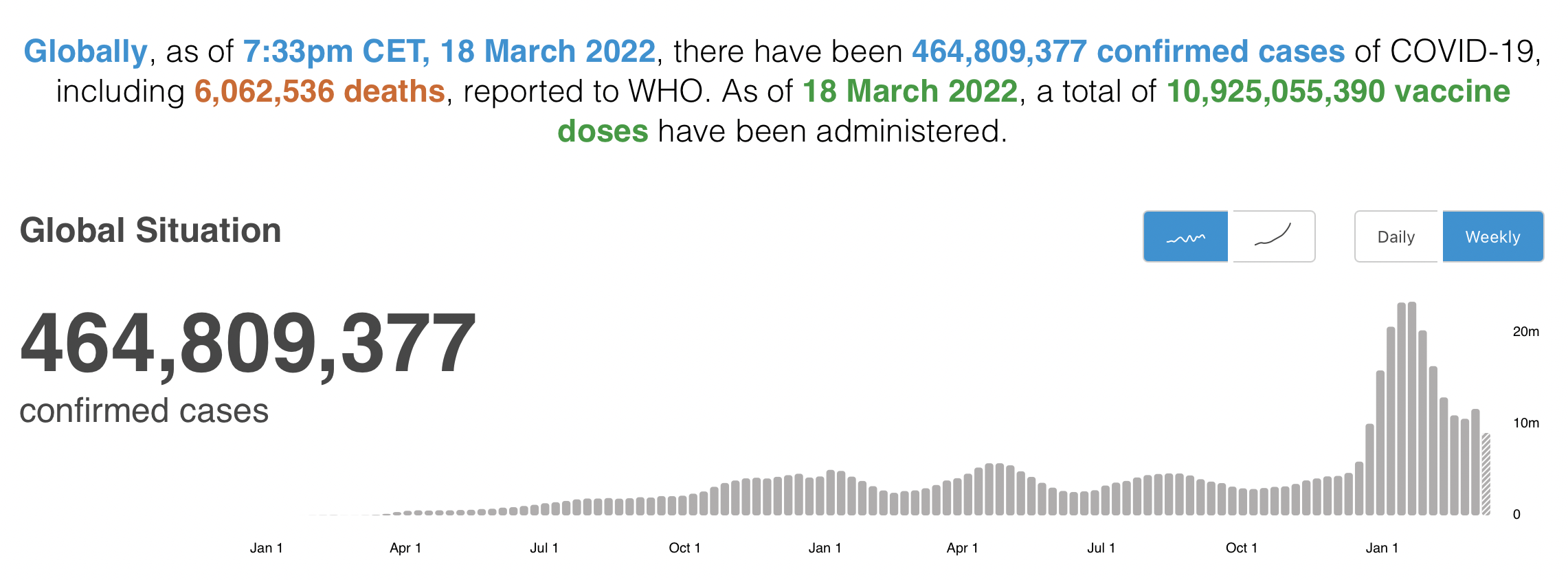
Fake Data: 465 Million So-Called “Confirmed Covid-19 Cases”
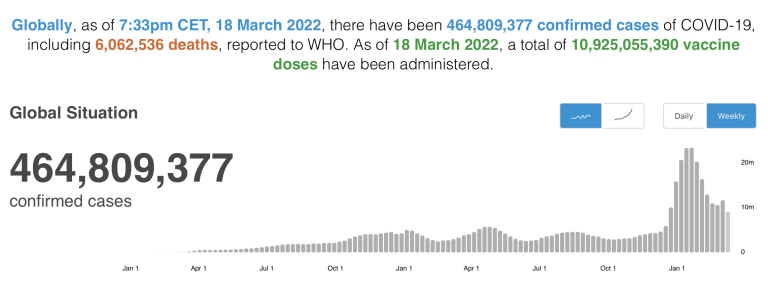
If the PCR test is invalid (confirmed by numerous studies as well as WHO, CDC), the 465 Million so-called “Confirmed Covid-19 Cases” (see diagram below, MARCH 18, 2022) collected and tabulated Worldwide since the outset of the Covid-19 crisis are meaningless. Click here to get the latest figures.
The Pandemic Treaty and the QR Verification Code
In early March 2022 an Intergovernmental Negotiating Body (INB) was established with a mandate to create “A Pandemic Treaty”, i.e. a global health governance entity under WHO auspices, which would override the authority of the WHO member states:
, “The INB held its first meeting to draft and negotiate an international instrument on pandemic prevention, preparedness and response under the authority of the WHO” (Mercola)
The Pandemic Treaty is tied into the WHO’s QR Verification Code project, which is intent upon creating a global digital data bank of 7.9 billion people. Both initiatives are to be carried out concurrently by the WHO in liaison with ID2020 and the Gavi Alliance, both of which are funded by the Gates Foundation.
Peter Koenig describes the QR Code as
“an all-electronic ID – linking everything to everything of each individual (records of health, banking, personal and private, etc.).”
According to David Scripac “A worldwide digital ID system is in the making. [The aim] of the WEF—and of all the central banks [is] to implement a global system in which everyone’s personal data will be incorporated into the Central Bank Digital Currency (CBDC) network.”
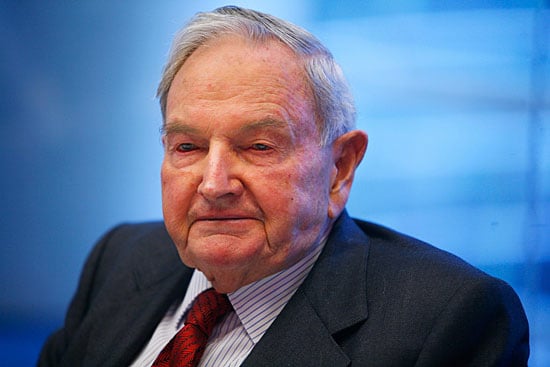
The QR Verification Code potentially sets the stage for the instatement of “a global police state” controlled by the financial establishment. It’s part of what the late David Rockefeller entitled “the march towards World Government”.
The legitimacy of both the Pandemic Treaty and the QR Verification Code under WHO auspices rests on the presumption that the alleged “Covid-19 Pandemic is Real” and that the “mRNA vaccine constitutes a SOLUTION to the alleged Covid-19 pandemic.”
Both initiatives are based on outright fraud and corruption. What is the evidence:
1. The Number of “Covid-19 Cumulative Confirmed Cases” resulting from the RT-PCR test did not justify the WHO’s decision to officially launch a pandemic on March 11, 2020. The numbers were ridiculously low. There was no evidence that SARS-CoV-2 was spreading nationally or internationally.
2. The Lockdown instructions transmitted in March 2020 to more than 190 member states of the UN are totally invalid.
3. The methodology using the PCR test to detect and identify the SARS-CoV2 and its alleged variants has been acknowledged by the WHO and the CDC as being totally dysfunctional as outlined above.
4. All the data pertaining to Covid-19 Cumulative Confirmed Cases compiled by national governments and tabulated by the WHO since January 2020 are invalid and meaningless.
5. The Covid-19 Vaccine launched in November 2020 has resulted in an upward Worldwide tide of mortality and morbidity
In this article I will distinguish between several phases in the evolution of this crisis.
Phase I: Ridiculously Low Numbers of “Covid-19 Confirmed Cases” Used to Justify the Launching of the Covid-19 Pandemic
From the very outset, the estimates of “confirmed positive cases” have been part of a “Numbers Game”.
The first stage of this crisis was the launching of a Public Health Emergency of International Concern (PHEIC) by the WHO on January 30th. While officially it was not designated as a “Pandemic”, it nonetheless contributed to spearheading the fear campaign. The number of “confirmed cases” based on faulty estimates (PCR) used to justify this far reaching decision was ridiculously low.
The Worldwide population outside China is of the order of 6.4 billion. On January 30, 2020 outside China there were:
83 cases in 18 countries, and only 7 of them had no history of travel in China. (see WHO, January 30, 2020).
There was no “scientific basis” to justify the launching of a Worldwide Public Health Emergency of International Concern.
On the following day January 31, 2020: President Trump Suspends Air Travel with China, which contributed to the broader crisis in air travel and commodity trade. The five so-called “confirmed cases” in the US were sufficient to “justify” President Trump’s January 31st 2020 decision.
“concerned that the chance to contain the coronavirus outbreak was “closing” …
“I believe the window of opportunity is still there, but that the window is narrowing.”
Those statements were based on 1076 cases outside of China for a population of 6.4 billion.
These “shock and awe” statements contributed to heightening the fear campaign, despite the fact that the number of confirmed cases outside China was exceedingly low.
February 20-21, 2020 marks the beginning of the 2020 Financial Crash which was Spearheaded by Dr. Tedros’ Statement.
March 11, 2020: The Lockdown. 44,729 “Confirmed Cases” As a Justification to Close Down 190 National Economies
A Pandemic is broadly defined as
“An outbreak of a disease occurring over a wide geographic area (such as multiple countries or continents) and typically affecting a significant proportion of the population” (Webster-Merriam, emphasis added)
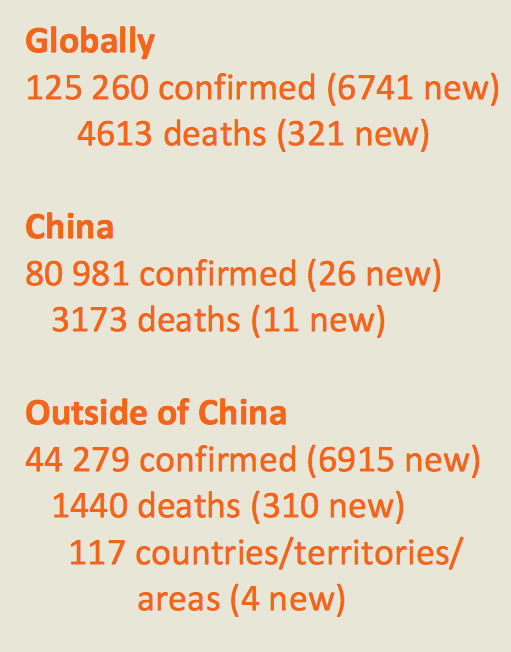
Assuming that the PCR test is valid (which it is not), the number of cumulative confirmed cases on March 11 was ridiculously low. 44,279 PCR positive cases Worldwide out of China.
IT’S A FRAUD. THERE WAS NO PANDEMIC ON MARCH 11, 2020
“the world should do more to prepare for a possible coronavirus pandemic”. The WHO had called upon countries to be “in a phase of preparedness”.
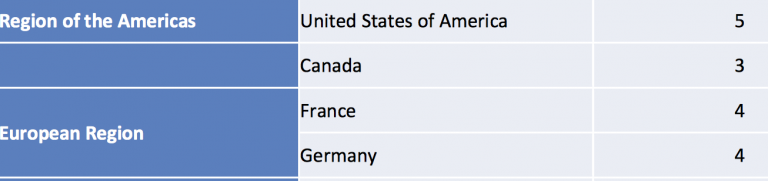
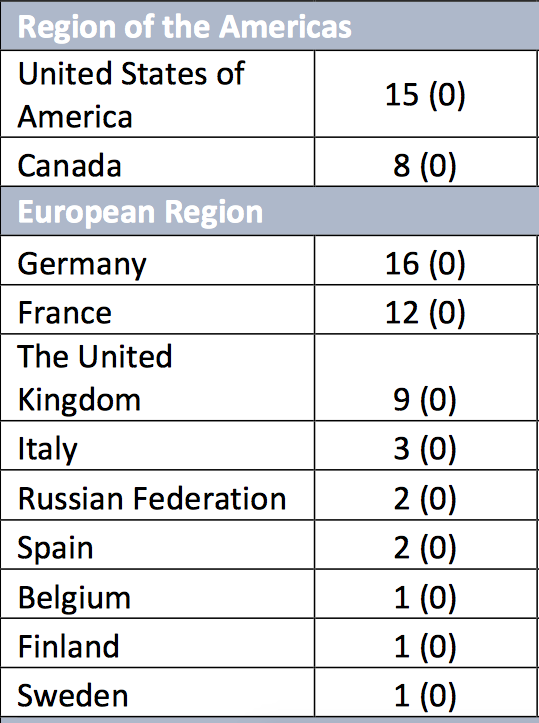
The WHO officially declared a Worldwide pandemic at a time when the number of confirmed cases outside China (6.4 billion population) was of the order of 44279 and 1440 deaths (figures recorded by the WHO for March 11, (on March 12) (see table right). These are the figures used to justify the lockdown and the closing down of 190 national economies.
In the US, recorded on March 11, 2020, there were according to John Hopkins: 1,335 “cases” and 29 deaths (“presumptive” plus PCR confirmed). According to the WHO, there were 3457 cases in the US. In Canada on March 9, 2020, there were 184 cases.
Immediately following the March 11, 2020 WHO announcement, the fear campaign went into high gear.
Yet it was on the basis of these 44,729 cases that sweeping lockdown policies were imposed on 190 sovereign countries through a complex decision-making procedure which inevitably required corruption and bribing of senior government officials. The March 11 Lockdown was followed on Black Thursday, a second major Financial Crash, which immediately followed the pandemic announcement.
Phase II. March-December 2020: Fear Campaign. PCR Test Goes Into High Gear
From March 2020 up until the launching of the mRNA COVID-19 vaccine in November 2020, the PCR test goes into high gear.
As of March 11, 2020, following the lockdown, national governments were urged to implement the PCR-RT test on a massive scale, with a view to pushing up the numbers of covid positive cases Worldwide.
Test, Test, Test: The numbers started to climb with a view to generating more and more fake statistics.
Look at the table below. A very small number of positive cases in early March. And then, Covid positive cases going fly high as of April, May and June 2020.
Phase III. Early November 2020. Commencement of the Worldwide Covid Vaccination Program
Sustained by media disinformation, the mRNA vaccine was put forth as a solution to curbing the pandemic. Amply documented, the Vaccine has triggered from the outset in December 2020 an upward trend in mortality and morbidity
Video: In many countries, there was a significant shift in mortality following the introduction of the mRNA vaccine
Source: HeathData.org
The evidence is overwhelming. The latest official figures point to approximately:
65,629 Covid-19 injection related deaths and 10,439,642 injuries reported as at 24 February 2022. for the EU, US and UK combined.
But only a small fraction of the victims or families of the deceased will go through the tedious process of reporting vaccine-related deaths and adverse events to the national health authorities.
Media Disinformation: The Virus is a “Hit and Run Killer”, “The Vaccine Saves Lives!”
SARS-CoV2 detected by the PCR test is relentlessly portrayed as a “killer virus”. “there are many crucial unknowns about this virus, including how exactly it kills, whether it will evolve into something more — or less — lethal … . (Nature)
A sensationalist BBC report under the title: Why is the Virus such a Threat contends (quoting and misquoting “scientific opinion”) that the virus’ has a “hit and run killer evolutionary tactic” to spread the Covid-19 infection far and wide. Timely report published two weeks prior to the launching of the mRNA vaccine:
It [the virus] behaves like a ‘hit and run’ killer
The amount of virus in our body begins to peak the day before we begin to get sick.
But it takes at least a week before Covid progresses to the point where people need hospital treatment. “This is a really brilliant evolutionary tactic – you don’t go to bed, you go out and have a good time,” says Prof Lehner.
So the virus is like a dangerous driver fleeing the scene – the virus has moved on to the next victim long before we either recover or die.
In stark terms, “the virus doesn’t care” if you die, says Prof Lehner, “this is a hit and run virus”. ….
Not only are these sensationalist reports based on the results of the flawed PCR tests, they also contradict the official WHO definition of Covid-19
“The most common symptoms of COVID-19 are fever, dry cough, and tiredness. … These symptoms are usually mild and begin gradually. Some people become infected but only have very mild symptoms. Most people (about 80%) recover from the disease without needing hospital treatment. Around 1 out of every 5 people who gets COVID-19 becomes seriously ill and develops difficulty breathing.”
“Influenza (Flu) and COVID-19 are both contagious respiratory illnesses, but they are caused by different viruses. COVID-19 is caused by infection with a new coronavirus (called SARS-CoV-2) and flu is caused by infection with influenza viruses. Because some of the symptoms of flu and COVID-19 are similar, it may be hard to tell the difference between them based on symptoms alone, and testing may be needed to help confirm a diagnosis. Flu and COVID-19 share many characteristics, but there are some key differences between the two.”
If the public had been informed and reassured that Covid is “similar to Influenza”, the fear campaign would have fallen flat. And the vaccine program would have been rejected outright.
It is worth noting that the mRNA vaccine presented to public opinion as a solution to curbing the killer virus relied on the the PCR test as a valid means to assessing the spread of the disease. In the in the United States, the mRNA vaccine was launched on December 14, 2020. Six weeks later, the WHO repeals the validity of the PCR test. In turn on July 21, 2021 the CDC declares the PCR as invalid as a means to detecting the virus.
November 26, 2021: Black Friday. The Omicron Variant
Remember the Omicron crisis, still ongoing. Scary. A novel Covid variant allegedly discovered in South Africa which has been spreading Worldwide. How was it detected? The PCR test?
It started on Black Friday, the day after Thanksgiving, 26th of November 2021.
It triggered a renewed fear campaign as well as instability on the stock markets with the shares of Big Pharma vaccine producers going fly high. It incited people to get their vaccine booster shots.
The omicron announcement was a carefully prepared fraud. Two days later, the WHO politely repealed the statement of its own advisory task force:
“There is currently no information to suggest that symptoms associated with Omicron are different from those from other variants.”
In turn, Dr. Angelique Coetzee, Chair of the South African Medical Association (SAMA) described the omicron variant as “extremely mild, for us [these are] mild cases. … I’ve spoken to other colleagues of mine and they give the same picture.” (See Video Interview on CNBC)
These rectifications did not in any way impede the 24/7 fear campaign sustained by media disinformation. In fact it created panic.
Meanwhile, a massive home testing campaign was initiated.
Billions of Home and Antigen Tests Distributed Worldwide
Massive Home Testing: Fear is “Good For Business”
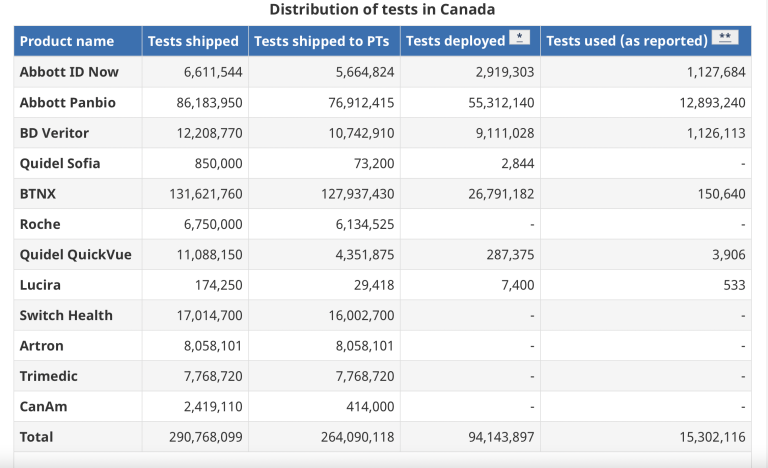
Literally billions of antigen and home test kits have been distributed Worldwide. In the U.S. more than a billion test kits were made available for a population of 340 million Americans.
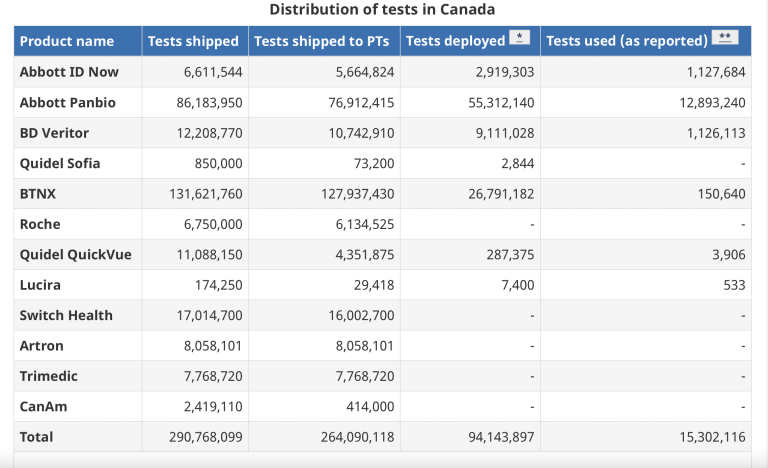
In Canada, 291 million test kits were distributed. Canada’s population is of the order of 38.5 million.
In many countries, the “deadly” Omicron variant became the pretext for implementing renewed partial lockdowns, the speeding up of the vaccine mandate, restrictions on travel as well as confinement and stay at home mandates over the Christmas and New Year holiday period.
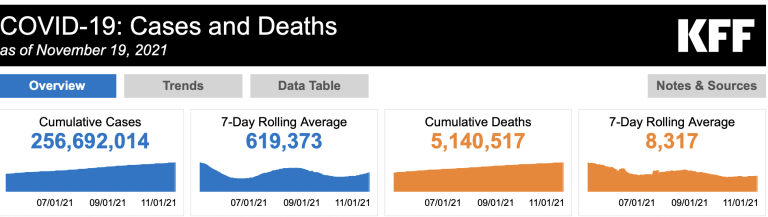
Below are the figures for so-called “Covid-19 Confirmed Cases” Worldwide in early November 2021. (11/01/21)
Pushing up the Numbers of FAKE “Covid-19 Confirmed cases”
Coinciding with the Omicron crisis, the surge in the import and distribution of literally billions of home and antigen test kits Worldwide has contributed to pushing up the number of FAKE “Covid-19 confirmed cases”.
In the course of less than 5 months (November 1st, 2021 to March 18, 2022), the cumulative confirmed cases have almost doubled.
Joe Biden’s Purchase of More than A Billion Home and Antigen Test Kits
In the US the White House announced in January that it was buying at tax payers expense:
“One Billion Tests to Give to Americans for Free with Online Ordering of a Half-Billion Tests Begins on January 19th”.
This purchase was in addition the earlier deliveries of several hundred million home kits.
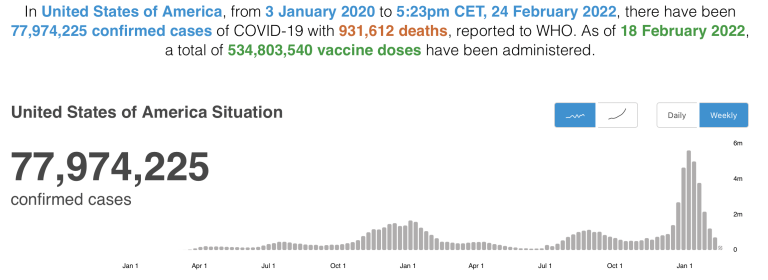
Starting in late November, the home test kits contributed to hiking up the so-called “Confirmed Cases” in the US. (See graph below)
These figures are fake because the WHO and the CDC have categorized the PCR test as totally invalid.
And the home tests are categorized as less reliable than the PCR test which is upheld as the gold standard.
Justin Trudeau’s Purchase of 291 Million Home and Antigen Test Kits
In Canada, Prime Minister Justin Trudeau ordered the delivery of 94 million rapid home test kits (self testing and antigen testing kits) back in November 2021 which were delivered and distributed to the provinces.
Another 140 million were ordered by the federal government in early January 2022 at a cost of 1.7 billion (Canadian) dollars at tax payers’ expense.
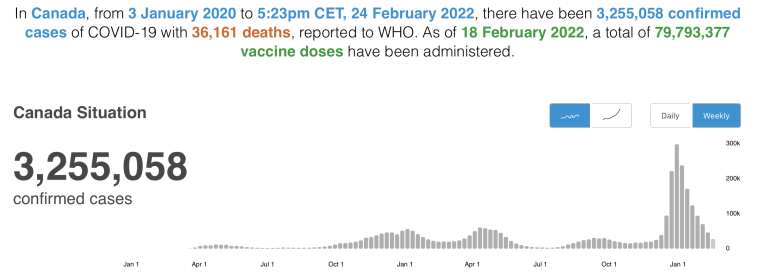
Canada has a population of 38.5 million and we now have 291 million antigen rapid test kits (See table below). In other words exactly 7 tests per person.
This process has contributed in the course of the last few months to creating fear and havoc within Canadian families while hiking up the number of so-called “Covid-19 confirmed cases”
The estimated cost to Canadian tax payers is of the order of 3.5 billion Canadian dollars.
See Health Canada (Table Below)
“The Gold Standard” PCR Test
Ironically the home tests are compared to the flawed PCR test which is currently upheld it as the so-called gold standard. According to the NYT (Updated Nov. 10, 2021) the rapid antigen and home test kits are less effective than PCR test:
The rapid antigen tests are less reliable for finding Covid-19 in people with low viral loads compared to the “gold standard” P.C.R. tests you’d get from a health care provider. One study found that a rapid home antigen test had a 64 percent chance of correctly spotting the virus in people with symptoms who had tested positive on a P.C.R. test. (The test caught only about 36 percent of those who had the virus but didn’t have symptoms.)
What the NYT fails to acknowledge is that the CDC had called for the “Gold Standard” PCR test to be discontinued on July 23, 2021 before it’s official withdrawal on December 31, 2021. (see analysis above)
The CDC directive tacitly admits is that the PCR test does not effectively differentiate between “SARS-CoV-2 and influenza viruses”. We have known this from the outset. While it has taken them almost two years to recognize that the PCR test is totally flawed and invalid, the PCR test is upheld as the gold standard in relation to the antigen and home test kits.
December 31, 2021 CDC declares the PCR test as invalid
Invalid PCR Test Upheld as the Gold Standard
Billions and Billions of Antigen and Home Tests Push up the Numbers
March 12, 2022 452,201,564 cumulative cases
The results of the home and antigen tests are meaningless. They do not under any circumstances confirm an increase in the so-called “COVID-19 confirmed cases”.
The surge in the numbers is largely attributable to the worldwide sale and distribution of billions of home and antigen tests. This in turn has contributed to a new wave of fear and social disruption.
This engineered surge in so-called “COVID-19 confirmed cases” has occurred at a time when a large percentage of the world’s population has been vaccinated.
“Fear is Good for Business”: Big Money Behind the Covid-19 Self Testing Kits
What is at stake is a multibillion dollar operation for selling and distributing Covid-19 self testing kits Worldwide over period of several years.
.
In December 2021 Bloomberg reported that “the self-testing market will reach “$5.96 Billion in 2020 and is expected to reach USD 8.11 Billion by 2027”, These figures pertain solely to the US market, which represents approximately 4% of the World’s population. There is evidence that the self-testing kits are currently being sold in a larger number of countries. This is multibillion profit driven agenda.
.
Who owns the intellectual property rights?
.
The Gates Foundation played a key role in launching the “self-administered COVID-19 testing” which was approved by the FDA in late March 2021.
.
“The FDA made this decision based on results from a study conducted by United Health Group. The Gates Foundation provided technical support on the design of this study” (Gates Foundation)
In August 2021, the Gates Foundation together with Soros’ Open Society Foundation invested in
“acquiring Mologic, a British company that specializes in the development of rapid-testing technology, including for Covid-19 and various tropical diseases”.
Mologic is described as “a leader in rapid testing [which] presents a unique opportunity”
This initiative consisted in “rebranding” Mologic into “a non-profit social enterprise.” which would operate under the auspices of the Gates’ Foundation’s Global Access Health
The stated purpose of GAH is to act as a “a social enterprise which expands access to affordable state-of-the-art medical technology such as diagnostic tests and manufacturing processes.”
Michel Chossudovsky is an award-winning author, Professor of Economics (emeritus) at the University of Ottawa, Founder and Director of the Centre for Research on Globalization (CRG), Montreal, Editor of Global Research. He has taught as visiting professor in Western Europe, Southeast Asia, the Pacific and Latin America. He has served as economic adviser to governments of developing countries and has acted as a consultant for several international organizations. He is the author of eleven books including The Globalization of Poverty and The New World Order (2003), America’s “War on Terrorism” (2005), The Global Economic Crisis, The Great Depression of the Twenty-first Century (2009) (Editor), Towards a World War III Scenario: The Dangers of Nuclear War (2011), The Globalization of War, America’s Long War against Humanity (2015). He is a contributor to the Encyclopaedia Britannica. His writings have been published in more than twenty languages. In 2014, he was awarded the Gold Medal for Merit of the Republic of Serbia for his writings on NATO’s war of aggression against Yugoslavia. He can be reached at crgeditor@yahoo.com
Disclaimer: The contents of this article are of sole responsibility of the author(s). The Centre for Research on Globalization will not be responsible for any inaccurate or incorrect statement in this article. The Centre of Research on Globalization grants permission to cross-post Global Research articles on community internet sites as long the source and copyright are acknowledged together with a hyperlink to the original Global Research article. For publication of Global Research articles in print or other forms including commercial internet sites, contact: publications@globalresearch.ca
www.globalresearch.ca contains copyrighted material the use of which has not always been specifically authorized by the copyright owner. We are making such material available to our readers under the provisions of “fair use” in an effort to advance a better understanding of political, economic and social issues. The material on this site is distributed without profit to those who have expressed a prior interest in receiving it for research and educational purposes. If you wish to use copyrighted material for purposes other than “fair use” you must request permission from the copyright owner.
“Project Sandman” describes a 100+ nation agreement that, when triggered, will see those nations simultaneously dump the dollar and abandon the “petrodollar” status that has allowed the USA to enjoy 50 years of fiat currency counterfeiting and material abundance at the expense of everyone else. When this decision is triggered, the dollar and all dollar-denominated assets will plunge to near-ZERO literally overnight.
This means all dollar-denominated bank accounts, bonds, pension funds, treasuries and other investment vehicles will essentially be worth zero for the simple reason that all banks and markets will freeze operations. (This is the James Rickards “Ice-9” scenario.)
Any funds you have in the stock market will be stuck in those markets, and the entire infrastructure of banking and finance will suffer a catastrophic liquidity crisis that will “freeze” nearly all financial transactions.
Saudi Arabia is already moving in the direction of triggering this “Project Sandman” (which was named after the sand in the Middle East, by the way). The countdown clock on the dollar is ticking.
American and European Hi-techs, MSM and any news agencies functioning there, those countries who falsely claim as free country where you can speak free have banned all news from Russia. But there is one place you can know the other side. Click here https://gab.com/RTintl
(Natural News) This is a red alert for humanity. We have less time remaining than you might think.
I’ve done some rough math, and it’s beyond alarming. It spells the end of human civilization if we don’t stop the vaccine holocaust in the next 365 days.
As estimates and projections show below, as long as “clot shot” covid vaccines are being administered around the world, about ten million people each day are being put on an irreversible countdown to vaccine death. For each day that these vaccine shots continue, in other words, roughly ten million people will likely die over the next decade, based on these projections. (See the math below.)
This explains why Biden and other world leaders don’t care about legal challenges and the rule of law. They know that if they can bully these vaccines into people for just one more year, they will murder over 3.5 billion more human beings from vaccine-induced deaths that kick in over the next decade.
That’s why we have less time remaining than you might think. And that’s why the vaccine zealots don’t care if they get stopped over the next 2-3 years by court challenges. By then it’s too late for humanity.
Even if we stop all covid vaccines right now, we’re likely to still see between one and two billion deaths over the next decade as vaccine deaths take their toll. (See the numbers below.)
Disclaimer: The numbers presented here are estimates and projections based on early data available now. These estimates may substantially improve or worsen as new data become available. These conclusions are subject to change based on new data as it is released for total mortality, cancer deaths and other factors. These conclusion are not peer-reviewed. Comments and suggestions are welcomed. See below for full details.
By the way, remember that Reuters “fact checkers” are all compromised because Reuters is the propaganda arm of Pfizer. They share some of the same board members. The job of Reuters is to pump out Pfizer disinformation and label it “facts.” These so-called “facts” are then used to suppress the truth on social media platforms like Facebook. It’s all a grand evil conspiracy involving Pfizer, Reuters, Facebook and a true depopulation agenda to mass murder billions of human beings.
It is starting to look to me like the largest experiment on human beings in recorded history has failed. And, if this rather dry report from a senior Indiana life insurance executive holds true, then Reiner Fuellmich’s “Crimes against Humanity” push for convening new Nuremberg trials starts to look a lot less quixotic and a lot more prophetic.
AT WORST, this report implies that the federal workplace vaccine mandates have driven what appear to be a true crime against humanity. Massive loss of life in (presumably) workers that have been forced to accept a toxic vaccine at higher frequency relative to the general population of Indiana.
This article reads like a dry description of an avoidable mass casualty event caused by a mandated experimental medical procedure. One for which all opportunities for the victims to have become self-informed about the potential risks have been methodically erased from both the internet and public awareness by an international corrupt cabal operating under the flag of the “Trusted News Initiative”. George Orwell must be spinning in his grave.
Looking at the evidence
The VAERS system is currently reporting roughly 21,000 post-vaccine deaths in America. A well-documented URF (Under Reporting Factor) in normal times is around 40. This reveals that at least 840,000 Americans have already died from covid vaccines.
Yet we also know from credible sources such as attorney Thomas Renz and the Medicare whistleblower that VAERS data is months behind on data entry. The process of entering records into VAERS is being intentionally slowed to prevent these numbers from rapidly growing. Additionally — and critically — nurses are being actively ordered by doctors, hospitals and administrators to avoid submitting VAERS reports related to covid vaccines. This is widely documented in articles like this one from CitizensJournal.us:
Angela, a nurse for more than 25 years, confirms that in her hospital’s emergency room, they say they are seeing more heart problems in young adults, which are never reported to the Vaccine Adverse Event Reporting System (VAERS) as potential adverse reactions to COVID “vaccinations.”
Another nurse, Jennifer, says ER nurses privately say they are seeing “all the clotting, bleeding and things you would expect from the vaccine six months later — brain bleeds, heart attacks in younger 50-year-olds. No doctor will admit this is from the vaccine. They won’t make the VAERS report.”
When Daniel asked fellow nurses and practitioners if they report to VAERS, they looked at him like, “What’s that?”
All nurses interviewed say they are seeing “ground-glass opacity” results in the CT scans of people’s lungs who recently took the experimental vaccines — and that this is never reported to VAERS.
We also know from anecdotal evidence that a shocking number of US doctors have no idea what VAERS is. They make no reports whatsoever and aren’t even aware of the existence of this system. This fact, combined with the realization that nurses are being actively ordered to avoid VAERS reporting on covid vaccines, means the URF of 40 is far too low. Given the environment of extreme suppression now leveled against doctors and nurses to try to cover up vaccine injuries, a more legitimate estimate of the URF would be 200.
If accurate, this would mean that 21,000 VAERS reports actually translated into 4.2 million US deaths from these vaccines so far.
Bookmark that thought as we look at other numbers that paint a truly frightening picture.
Vaccines kill people in three phases, taking as long as a decade for all the vaccine-induced cancer deaths to play out
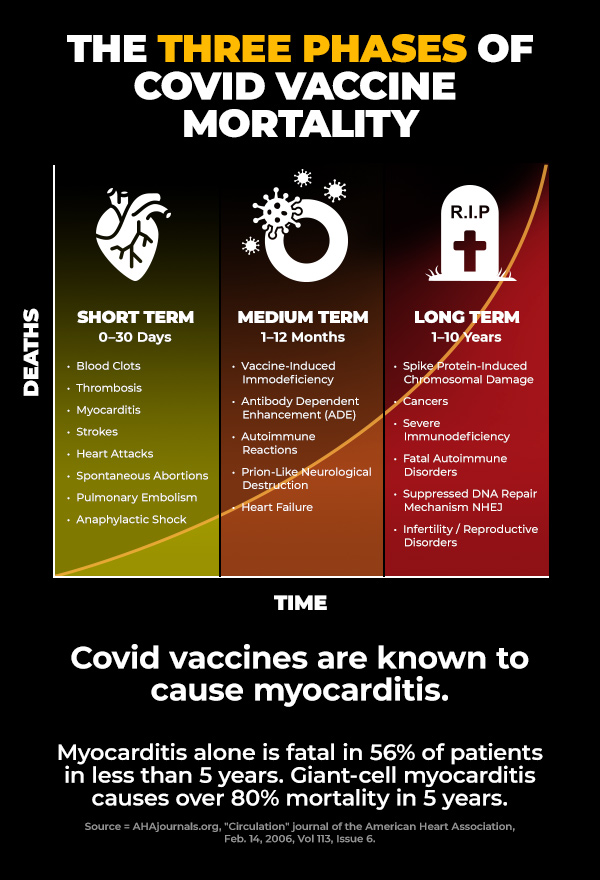
Although we’ve all seen people literally keel over dead from vaccine-induced heart attacks, most people who are on track to die from covid vaccines don’t die right away. There are three phases of covid vaccine mortality, described in this chart below:
Remember that according to Dr. Ryan Cole, a Mayo Clinic trained, board-certified anatomic pathologist, 62% of patients injected with mRNA vaccines show micro blood clots. Dr. Cole presents this evidence in the following video from the White Coat Summit:
Micro blood clotting is an early sign of vascular damage and heart damage. People receiving covid vaccines are often diagnosed with myocarditis, which has a 56% fatality rate over five years.
A study published by the American Heart Association — then widely censored by Big Tech — found that mRNA covid vaccines greatly increased the risk of vascular inflammation and therefore heart attacks and other vascular events. The risk of heart attack alone increased by 127% in a group of 500 patients, according to this one study.
A new study suggests the mRNA injections produced by both Pfizer and Moderna are raising inflammatory blood markers used to estimate the risk of a person suffering a heart attack.
Dr Aseem Malhotra, a consultant cardiologist, points out that in the UK there have been 10,000 excess non-Covid deaths — many of which were due to heart attack and stroke.
A few days after these ominous results came out, a whistleblower and researcher from a different group contacted Dr Aseem Malhotra to say that in imaging studies they have found inflammation in the coronary arteries after vaccination. But they decided not to publish this yet because they are afraid of losing future grant money from the drug industry. The whistleblower was quite upset about this.
Dr. Charles Hoffe (Canada) is also reporting substantial increases in blood clotting among mRNA vaccine takers. Via LifeSiteNews:
The core problem he has seen are microscopic clots in his patients’ tiniest capillaries. He said, “Blood clots occurring at a capillary level. This has never before been seen. This is not a rare disease. This is an absolutely new phenomenon.”
Most importantly, he has emphasized these micro-clots are too small to show up on CT scans, MRI, and other conventional tests, such as angiograms, and can only be detected using the D-dimer blood test, a standard test that indicates whether blood clots are being actively formed somewhere within a person’s vascular system.
Using the latter, he found that 62 percent of his patients injected with an mRNA shot were positive for clotting, not a small fraction that can be easily dismissed.
Myocarditis fatalities and inhibition of DNA damage repair
Through simple math, if we take 62 percent of covid vaccinated people who show micro blood clots — leading to myocarditis — and multiply by the known myocarditis 56% fatality rate over five years, this alone would mean that 36% of mRNA vaccine takers will be dead in five years. Granted, this assumes that all the micro blood clot people end up with myocarditis, and that relationship isn’t yet satisfactorily documented. So this 36%, based entirely on heart attack deaths, may be too high by itself.
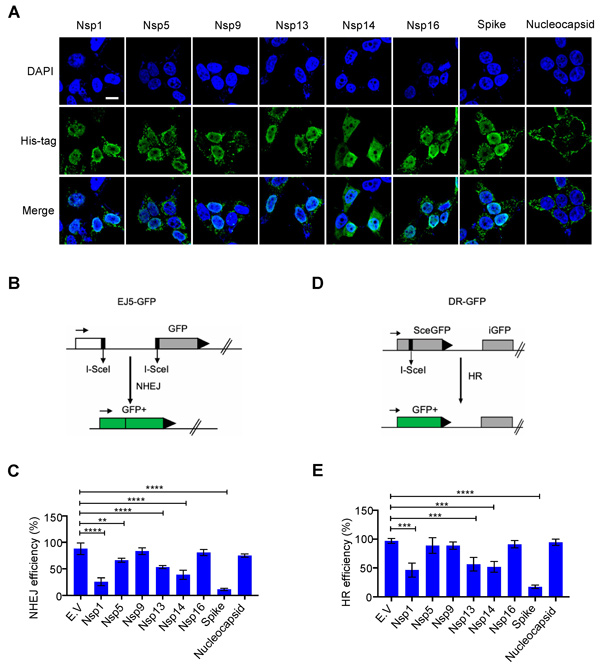
Yet this only begins to tell the story of deaths from other causes such as vaccine-induced cancer. Another fact we now know is that once mRNA vaccines start producing spike protein nanoparticles in a person’s body, some percentage of those spike proteins enter cell nuclei and achieve about a 90% suppression of the NHEJ mechanism, which is the chromosomal repair mechanism that maintains genetic integrity for the body.
That article cites a critical research paper entitled, “SARS–CoV–2 Spike Impairs DNA Damage Repair and Inhibits V(D)J Recombination In Vitro,” authored by Hui Jiang and Ya-Fang Mei, at the Department of Molecular Biosciences, The Wenner–Gren Institute, Stockholm University, SE-10691 Stockholm, Sweden, and the Department of Clinical Microbiology, Virology, Umeå University, SE-90185 Umeå, Sweden, respectively. You can see an archived PDF of this study at:
In the conclusion of the paper, authors write, “We found that the spike protein markedly inhibited both BRCA1 and 53BP1 foci formation (Figure 3D–G). Together, these data show that the SARS–CoV–2 full–length spike protein inhibits DNA damage repair by hindering DNA repair protein recruitment.”
The study finds that the suppression of NHEJ activity exhibits a dose-dependent response to the presence of spike protein. This means that spike proteins in the cells will cause the suppression of chromosomal repair mechanisms, leading to loss of genetic integrity over time.
In effect, once people are injected with mRNA vaccines, when they are subsequently exposed to even mild sources of ionizing radiation — sunlight, mammography, high-altitude commercial air flights, food plastics chemicals, etc. — their bodies may initiate the growth of new cancer tumors that cannot be suppressed because the NHEJ system is no longer functioning.
In effect, people will become mutants because they can no longer maintain genetic integrity due to the spike protein suppression of the NHEJ repair mechanism.
We are already seeing reports of alarming increases in cancers among the vaccinated. For example, as reported from Cancer.news:
Women recently injected with experimental covid vaccines are showing symptoms of BREAST CANCER
A group of Utah doctors have discovered something terrifying in recent mammogram screenings taken at the Breast Care Centre in Salt Lake City, Utah. Women who were recently injected with experimental COVID vaccines suffer from abnormal inflammation of the lymph nodes in their breasts. According to the Intermountain Healthcare doctors, women who take the covid-19 vaccines are showing symptoms of breast cancer.
Dr. Brett Parkinson, MD., warns, “Whenever we see these on a normal screening mammogram, we call those patients back because it can either mean metastatic breast cancer which travels to the lymph nodes or lymphoma or leukemia.” Instead of dealing with the cause of this problem (vaccines), the doctors are now telling women not to get mammograms after vaccination.
In a video produced by the Idaho state government’s “Capitol Clarity” project, Cole revealed how he is now seeing a 2,000 percent chronic illness increase in folks who took [the vaccine].
“Since January 1, in the laboratory, I’m seeing a 20-times increase of endometrial cancers over what I see on an annual basis,” Cole stated in the video.
“I’m not exaggerating at all because I look at my numbers year over year, and I’m like ‘Gosh, I’ve never seen this many endometrial cancers before.’”
In a “normal” year, there are around 600,000 cancer deaths in the United States. With the spike protein suppressing NJEH by 90%, and with doctors already reporting a 2000% increase in one type of cancer (endometrial) from early 2020, it’s clear that cancer deaths are going to substantially increase in the coming years due to covid vaccines.
Add that data point to the big picture here.
A 40% increase in all cause mortality, says life insurance CEO
Providing an additional clue to all this, we have recently reported on the shocking interview with Scott Davison, CEO of OneAmerica, a life insurance company. Davison reveals that all-cause mortality is up 40% among their life insurance policy holders, which covers a wide range of people, aged 18 – 64. Davison refers to this as, “the highest death rates we have seen in the history of this business – not just at OneAmerica.”
This observation is based on third quarter data from 2021. The numbers for Q4 will look far worse due to the well documented fact that VE numbers (Vaccine Effectiveness) plummet with each passing week after vaccination, representing a continued destruction of the immune system. As more time goes by, those who took the vaccines have weaker and weaker immune systems, making them more vulnerable to common infections and flu strains that would normally be of little threat. This is confirmed by official government data from the UK as well as independent research such as this study from the Francis Crick Institute in the UK: Pfizer vaccine destroys T cells, weakens the immune system – study:
A study from the Francis Crick Institute in the United Kingdom has found that the Pfizer-BioNTech Wuhan coronavirus (COVID-19) vaccine destroys T cells and weakens the immune system… It found that only 50 percent of the people who received a single dose of the Pfizer vaccine had a quantifiable neutralizing antibody response against the alpha variant of COVID-19. This number decreased even further to just 32 percent and 25 percent for the delta and beta variants, respectively.
A 40% increase in all-cause mortality, if applied across all age groups, means that an additional 3,100 Americans are dying each day. That’s over 90,000 people per month being killed by the vaccine as of Q3, 2021. (The normal pre-covid death rate is around 7,700 per day in the USA.)
We estimate that by the time Q1, 2022 data are available, we will likely see up to a 60% increase in all cause mortality, leading to an additional 4,600 deaths per day. This alone is nearly 1.7 million deaths per year, or about half a percent of the entire US population.
My (conservative) prediction is that as post-vaccine cancer deaths take hold, we are going to see, at minimum, a 400% increase in cancer deaths starting in 2022. That’s roughly 2.4 million vaccine-related cancer deaths per year for the foreseeable future, very likely continuing through the next decade.
93% of post-vaccine deaths attributed to the vaccine itself
Although the sample size was small (15 autopsies), it showed that 93% of people who died after being vaccinated were, in fact, killed by the vaccine. As Kirsh explains:
The coroner or the public prosecutor didn’t associate the vaccine as the cause of death in any of the cases. However, further examination revealed that the vaccine was implicated in the deaths of 14 of the 15 cases. The most attacked organ was the heart (in all of the people who died), but other organs were attacked as well. The implications are potentially enormous resulting in millions of deaths. The vaccines should be immediately halted.
Importantly, as Dr. Bhakdi explains on video, these autopsies showed that people were killed by killer lyphocytes attacking their own organs such as the heart and lungs.
In other words, mRNA covid vaccines caused the body’s own immune system to start growing lymphocyte tissues in places where it doesn’t belong, such as the heart and other organs.
This shocking finding caused former Pfizer VP Mike Yeadon to write Steve Kirsh and explain, “This is about the worst 15 min (video) I’ve ever seen. Mass covid19 vaccination is leading to mass murder.”
Essentially, what Dr. Bhakdi’s findings reveal is that far more people are now dying from the vaccine than from natural causes. This would imply that the pre-covid daily death rate of 7,700 Americans (that’s per day) is about to be dwarfed by vaccine-induced deaths which will, at some point, emerge as a multiple of 7,700.
It’s not unreasonable to imagine that over the next few years as cancer tumors and lymphocyte attacks accelerate, we could start to see daily deaths in America exceeding 16,000 or even 30,000 as the post-covid vaccine deaths accelerate.
At 30,000 deaths per day, by the way, the number of dead in a year reaches nearly 11 million people, or about 3.3% of the total U.S. population expiring in a given year. Over a decade, that’s about a third of the current population. These are projections, of course, but they are rooted in early evidence and observation.
Conservatively, one-third of all who received covid vaccines will likely die over the next decade… and another third will be debilitated
Based on the cancer deaths, myocarditis deaths, autoimmune deaths, heart attack deaths and the increased risks of strokes, neurological disorders and organ failure, we can conservatively conclude that roughly:
One-third of those who took mRNA covid vaccines will be dead over the next ten years.
One-third will be injured or debilitated and unlikely to be capable of participating in society in a meaningful way.
One-third will be relatively unaffected.
Interestingly, this appears to coincide with the statistical analysis of covid vaccine lot numbers, where roughly one-third of the lots are associated with heart attacks and deaths, another third are associated with injuries (but not death), and a final third appear to be harmless (suspected to be saline).
Again, these are rough numbers and there will be disagreement about many of the projections made here, but this is an early snapshot and projection based on what we know so far. Obviously, these conclusions are subject to change as new data appear, and the final number by the end of 2032 could be radically different from these projections (far worse or perhaps far better).
30 million people per day are being vaccinated around the world
Now let’s look at what this means globally if we conclude that roughly one-third of vaccinated people will die over the next decade.
That same site says that 58.5% of the world’s population have been vaccinated with at least one dose, and that 9.25 billion doses have been administered (data accessed on 1/4/2022).
If one-third of vaccinated people are set on a path to die from the vaccine over the next decade, then each day that these vaccines continue, about 10 million people are being sentenced to death.
If this continues for just one more year — 365 days — this would mean an additional 3.65 billion people will be exterminated by vaccines and die from vaccine-induced fatalities over the next decade or so. That’s roughly half the world’s population, by the way.
If you’re wondering how more than one-third of the world’s population can be exterminated if only one-third of the vaccine lots are so-called “kill shots,” remember that people are being given multiple injections via “boosters.” Thus, one person can be injected five or six times with mRNA shots, and even if only one-third of those shots are “kill shots,” their chances of escaping the kill shot dwindle rapidly. It’s like playing vaccine roulette.
Statistically speaking, here are the odds of EVADING a kill shot if a person continues to take more injections, given the assumption that one-third of the lots are deadly:
1st injection: 66.6% chance of evading death.
2nd injection: 44.4% chance of evading death. (.666 ^ 2)
3rd injection: 29.5% chance of evading death. (.666 ^ 3)
4th injection: 19.7% chance of evading death. (.666 ^ 4)
5th injection: 13.1% chance of evading death.
6th injection: 8.7% chance of evading death.
As you can see, if the governments of the world can coerce people into taking six shots, they can kill over 90% of the world’s population, given that one-third of vaccine lots are kill shots and assuming a 100% kill rate over time.
Thus, the only way to stop this vaccine holocaust is to stop the vaccines.
For each additional day that the depopulation globalists run their vaccine holocaust campaign, they are likely exterminating an additional 10 million people over time.
That’s a World War II Nazi Holocaust every 14.4 hours, in terms of innocent lives destroyed.
It also means that nearly 7,000 lives are being destroyed per minute as this vaccine holocaust continues.
This also means that each day earlier that we stop the holocaust, we potentially save 10 million lives.
Hence the urgency of our mission. If we stop the vaccine holocaust right now, we still lose 1.5 billion human beings from vaccine-induced deaths over the next ten years. Importantly, human civilization can probably survive such a hit, as devastating as it might be.
But if this vaccine holocaust continues for just one more year, globalists could have set into motion the deaths of potentially an additional 3.6 billion people on top of the 1.5 who are already on the death clock countdown. That means we could lose over 5 billion human beings in the next decade, simply stemming from our inability to stop this holocaust in the next 365 days.
The important question becomes: Can human civilization remain intact if we lose over 50% of the population?
I don’t have the answer to that, but given the complexity of our modern society, it seems likely that a systemic collapse — “great reset” — would be inevitable. It also seems that this is what the globalists are trying to achieve.
Note carefully that no one in government power is suggesting we pause the vaccines, wait a year and see how many people die. No, they prefer to charge ahead at full speed — damn the consequences! — and then blame the unvaccinated for the mass deaths of the vaccinated.
Clearly, they are bad faith actors. They are not trying to save lives; they’re working to exterminate them.
Find more details in today’s Situation Update podcast here:




 Janamejayan's Weblog